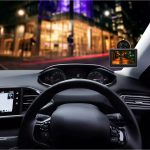
Are sat navs used in the UK driving test?
Yes. Since December 2017, the Driver and Vehicle Standards Agency (DVSA) has included sat nav directions as part of the practical driving test in England, Scotland and Wales.
In most driving tests, learners will be asked to follow directions from a sat nav during the independent driving section.
How often are sat navs used in the driving test?
-
80% of tests: candidates follow directions from a sat nav
-
20% of tests: candidates follow road signs instead
This change was introduced to reflect how modern drivers navigate, as many people now rely on sat nav or GPS navigation when driving.
Why did the DVSA add sat navs to the driving test?
The DVSA added sat navs to the practical test to ensure new drivers can use navigation devices safely while driving.
The update was part of a wider change to the driving test designed to better prepare learners for real-world driving.
Key changes included:
-
Introducing sat nav navigation during the test
-
Extending the independent driving section from 10 minutes to 20 minutes
-
Using a wider variety of driving routes, including higher-speed roads
These updates help ensure drivers can follow directions, stay aware of the road, and drive safely without relying on an instructor’s guidance.
Importantly, you will not fail the test for taking a wrong turn, as long as you drive safely and follow the road rules.
Which sat nav is used in the driving test?
The device typically used during the UK driving test is the TomTom Start 52.
During the test:
-
The examiner provides the sat nav
-
They set up the device and enter the destination
-
You only need to follow the directions shown
Learners cannot use their own sat nav or smartphone navigation during the test.
Why practising with a sat nav helps learner drivers
Although you won’t set up the device yourself during the test, practising with a sat nav can help you:
-
Build confidence following spoken directions
-
Learn to check the screen safely while driving
-
Improve your independent driving skills
Devices like the TomTom Start 52 also include helpful features such as lane guidance, which shows the correct lane to use at junctions and roundabouts.
Sat nav tips for the driving test
If you’re learning to drive with a sat nav, these tips can help you prepare.
1. Position the sat nav safely
The sat nav should be placed so it doesn’t block your view of the road.
Common mounting options include:
-
Dashboard mounts
-
Windscreen mounts positioned outside your main line of sight
Your instructor will usually help ensure it is positioned correctly.
2. Set the destination before driving
When practising, always enter the destination before setting off.
Trying to adjust the sat nav while driving can:
-
Distract you from the road
-
Reduce awareness of traffic and hazards
The aim of the driving test is to show that you can use navigation safely while focusing on driving.
3. Check the destination carefully
Many places in the UK share the same name.
Before starting a journey, make sure you’ve selected the correct location. For example, check that you’ve chosen the right Newcastle, rather than another town with a similar name.
4. Follow road signs first
Sat nav directions are helpful, but road signs and road rules always take priority.
If the sat nav suggests something unsafe or illegal, such as entering a one-way street the wrong way, ignore the instruction and follow the correct route.
5. Keep your sat nav updated
Road layouts change regularly due to:
-
New roads
-
Roadworks
-
Changes to junctions and roundabouts
Keeping your sat nav updated ensures the directions match the current road layout.
Devices like the TomTom Start 52 include lifetime map updates, helping drivers keep their navigation accurate.
What happens during the independent driving section?
During the practical driving test, you’ll complete a section called independent driving. This is when you drive by following directions rather than receiving constant instructions from the examiner.
The independent driving section usually lasts around 20 minutes and is designed to assess how well you can drive safely while following directions.
You may be asked to follow directions in one of two ways:
Following directions from a sat nav
In most tests, the examiner will set up a sat nav and enter a destination for you.
During this part of the test:
-
The examiner will provide and set up the sat nav
-
You simply follow the directions displayed on the screen
-
The examiner will only step in if safety requires it
You don’t need to worry about operating the device yourself.
Following directions from the examiner
Sometimes, instead of using a sat nav, the examiner will ask you to follow spoken directions or road signs.
For example, the examiner may say something like:
-
“At the end of the road, turn left.”
-
“Follow the signs for the city centre.”
-
“Take the second exit at the roundabout.”
The examiner will give these directions clearly and in plenty of time so you can plan your driving safely.
What if you take the wrong turn?
Making a wrong turn won’t automatically cause you to fail the test.
The examiner will simply allow you to continue driving safely and may guide you back onto the test route. You’ll only receive a fault if the mistake results in unsafe driving or breaking road rules.
The goal of this section
The independent driving section helps the Driver and Vehicle Standards Agency assess whether a learner driver can:
-
Follow directions safely
-
Stay aware of other road users
-
Make decisions independently while driving
These are important skills for everyday driving after passing your test.
Sat navs are now a standard part of most UK driving tests. During the independent driving section, learners are often asked to follow sat nav directions for around 20 minutes.
Practising with a sat nav before your test can help you:
-
Become more comfortable with navigation instructions
-
Improve independent driving confidence
-
Stay focused on the road while following directions
If you’re looking for a navigation device to practise with, Halfords offers a wide range of sat navs designed for everyday driving and learner drivers.