Whether it’s a small knock from a car door in a car park or a bigger dent from a bump, damage to your car’s bodywork can be frustrating. The good news is that some minor dents can be improved at home with the right tools and a bit of patience.
The best way to tackle a dent depends on its size, depth and condition. Small, shallow dents may be suitable for a dent puller, while larger or deeper dents may need filling, sanding, priming and repainting.
How to identify a dent in your car
Before you get started, take a good look at the damage. If the panel has a sharp crease, the paintwork is badly cracked, or the metal is heavily distorted, it may be better to have the damage repaired professionally.
Can you remove a small dent from a car yourself?
You may be able to tackle a small dent yourself if:
- The dent is relatively shallow
- There are no sharp creases in the panel
- The paintwork hasn’t cracked or peeled
- The surrounding panel is still in good condition
For these types of dents, a dent puller can help bring the panel back towards its original shape.
For small dents, you’ll need to grab the following before you get going:
- Car shampoo or a suitable car cleaner
- Microfibre cloths, we recommend using the Halfords Microfibre Cloths 5 Pack
- Dent puller tool, we recommend using the Laser Mini Dent Puller Removal Tool
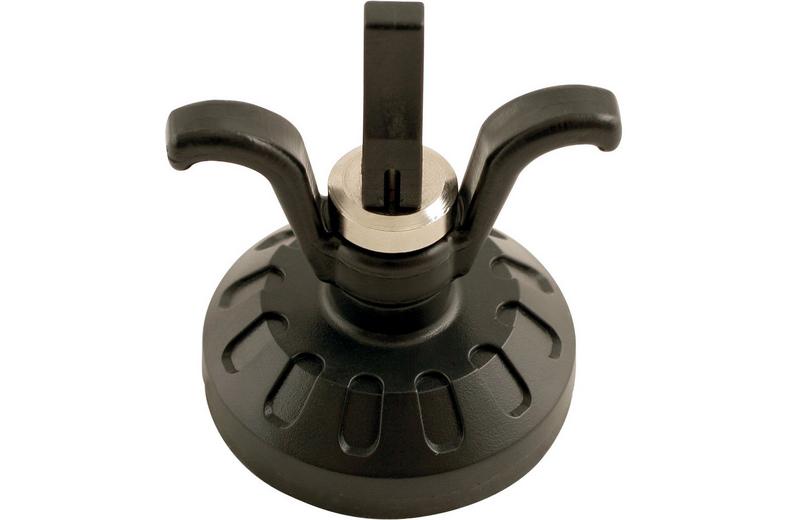
How to remove a small dent with a dent puller
1. Clean the area
Start by thoroughly cleaning the damaged area. Dirt, grit and grease can affect how well the dent puller works and could potentially cause further marks on the paintwork.
Wash the area with car shampoo or a suitable car cleaner, then dry it thoroughly with a clean microfibre cloth.
2. Inspect the dent
Take another look at the dent once the area is clean. Check that the paintwork is intact and that there are no sharp creases.
If you notice cracked paint, exposed metal or significant panel damage, stop and consider having the repair carried out professionally to avoid making the problem worse.
3. Attach the dent puller
Follow the instructions supplied with your dent puller. Depending on the type of tool you’re using, you may need to attach a suitable pulling pad or glue tab to the centre of the dent.
Make sure the surface is clean and dry before attaching anything to the paintwork.
4. Pull the dent
Once the tool is securely attached, gently pull the dent out. Don’t rush or use excessive force, as pulling too hard could stretch the metal or damage the paintwork. The aim is to gradually bring the panel back towards its original shape.
5. Check your progress
Remove the tool and inspect the panel. If the dent has improved but is still visible, you may be able to repeat the process. Work slowly and make small adjustments rather than trying to remove the dent in one go, as this will minimise potential damage or further distortion to your cars bodywork.
How to repair a larger dent
A larger or deeper dent may require more than a dent puller.
If the damage has affected the paintwork or left the panel with an uneven surface, you may need to carry out the following steps:
- Clean and prepare the damaged area
- Sand the damaged paintwork with sandpaper
- Pull out or reshape the dent where possible
- Apply suitable body filler to any remaining low spots
- Sand the filler until the surface is smooth
- Apply primer
- Apply colour-matched paint
- Finish with clear lacquer to protect the repair
When should you get a dent repaired professionally?
Not every dent is suitable for a DIY repair. It’s best to get professional advice if:
- The dent has a sharp crease
- The paintwork is cracked, peeling or badly damaged
- The panel is heavily distorted
- The dent is close to the edge of the panel
- There is exposed or damaged metal
- You’re unsure whether the panel can be repaired safely
If you’re unsure, it’s best to let a professional bodywork repair shop assess the damage; trying to repair significant damage yourself could make the problem worse or affect the final finish.