
If you experience an emergency breakdown, you’ll be glad that you’ve packed these 12 essentials in your car. It’s more important than ever that our cars are in good working order and prepared for anything.
To help you, the experts at Halfords have created a list with everything a driver should carry for safety and protection.

1. Warning triangle
A warning triangle is a reflective panel placed on the road to alert approaching drivers to a hazard ahead. If you break down, to make the situation safer for everyone:
- Remove your warning triangle from the boot.
- Unfold it.
- Place it around 30 metres behind your vehicle.
This distance gives approaching drivers time to react. Warning triangles are especially useful on bends or unlit roads.
They are a legal requirement in many European countries and optional in the UK. Most fold flat and are easy to store.
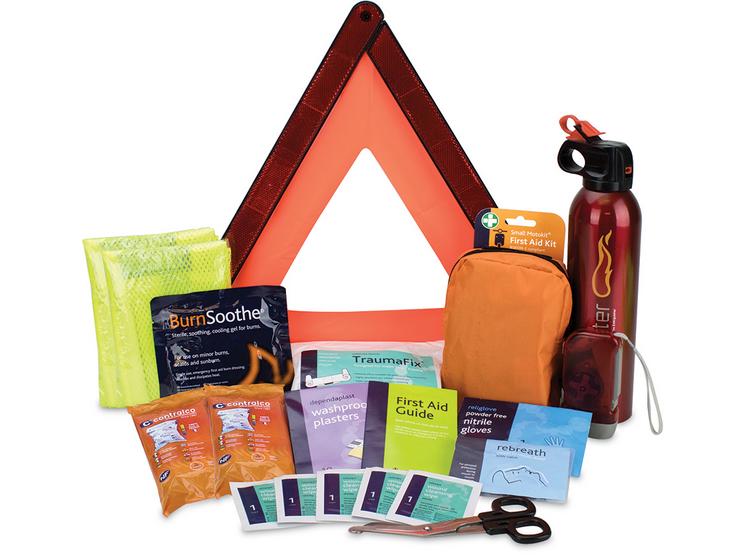
2. First aid kit
A basic first aid kit allows you to deal with minor injuries such as cuts, grazes, scrapes, and bruises. It typically includes:
- Gloves.
- Dressings.
- Plasters.
- Foil blankets – all in a compact, portable case.
Although it may never be needed, a first aid kit is an important safety item for every driver.

3. Hi-visibility vest
A hi-visibility vest helps other motorists see you clearly at the roadside. Keep one in the glove box and wear it if you need to leave your vehicle. It is particularly important if you are standing in a safe area near traffic or in poor visibility conditions.

4. Torch and spare batteries
A torch is essential if you break down at night or in low-light conditions. Keep it in the glove box with spare batteries so you can safely access items in the boot. A torch is also useful if you need to:
- Inspect the engine bay.
- Check for leaks.
- Identify visible damage.
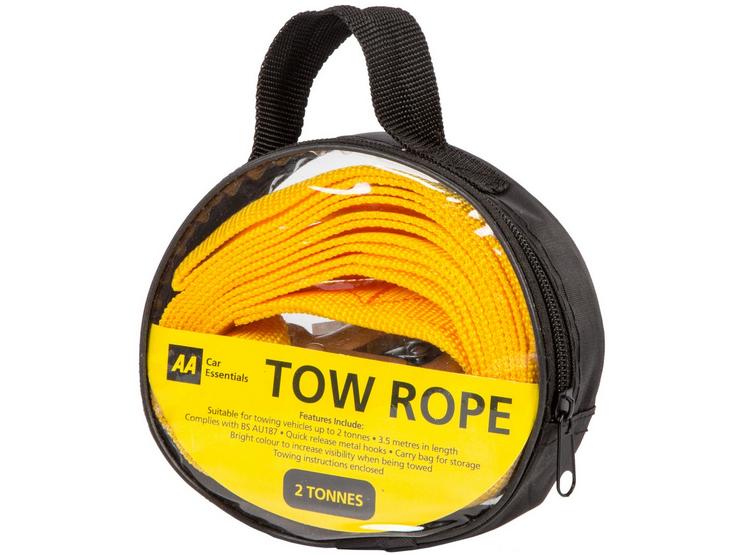
5. Tow rope
If your vehicle cannot be repaired at the roadside, a strong tow rope allows it to be moved to a safer location. The rope should be rated to handle the weight of your vehicle, such as 3.5 tonnes for most cars.
Towing is not suitable for all drivers or vehicles, but if it is attempted, it should always be done safely and correctly.
6. Locking wheel nut
A locking wheel nut is required to remove wheels fitted with locking bolts. Without it, a flat tyre cannot be changed. Ensure it is present and stored safely. Both roadside repairs and breakdown services will require the correct locking wheel nut.

7. Spare tyre and jack
You should know where your spare tyre and car jack are stored and ensure they are in good condition. These are usually located under the boot floor, although some vehicles store the spare underneath the car or on the rear door.
Even if you cannot change a tyre yourself, someone assisting you may need access to these tools.
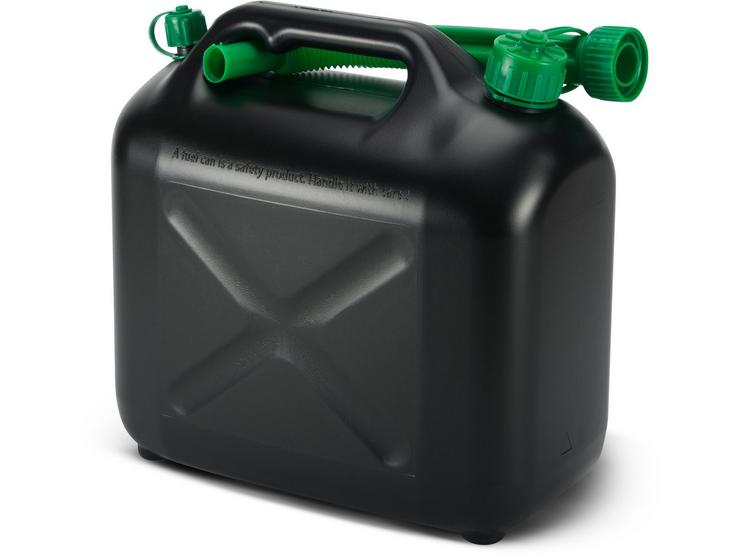
8. Fuel can
Running out of fuel can leave you stranded. A 5-litre fuel can stored in the boot can provide enough fuel to reach the nearest petrol station. Diesel vehicles should use clearly marked fuel cans to prevent misfuelling.

9. Booster cables
Booster cables allow you to jump-start a vehicle with a flat battery using another car. Choose cables suitable for your engine size so they can deliver sufficient starting power when needed.

10. Tyre inflator
A tyre inflator can help manage a slow puncture or low tyre pressure safely. Digital inflators measure the current pressure and inflate the tyre to the correct level without the need for a coin-operated air machine.
11. Puncture repair kit
A puncture repair kit provides a temporary solution for minor tyre damage. It connects to the tyre valve and inflates the tyre with sealant. This allows you to continue driving for a short distance, but the tyre should be professionally replaced as soon as possible.

12. Mobile phone charging cable
A spare phone charging cable is essential in case of emergencies. Mobile phones can be used for calls, navigation, and sharing your location with breakdown or emergency services. Keeping a compatible charging cable in the car ensures you remain connected if help is needed.
13. Bottle of water
A bottle of water helps prevent dehydration if you are delayed at the roadside, particularly in warm weather. Even a small amount of water can be important if you are waiting for assistance for an extended period.
Breakdown service and insurance details
Make sure that you have your car insurance details and your breakdown service provider in the cabin of your car. You’ll want this essential information to hand in the unfortunate event of an accident or emergency.
While you can’t plan for every eventuality, you’ll be glad that you’ve packed these motoring essentials in an emergency. You can find all the motoring accessories and in-car products that you need at Halfords to keep you and your family safe on your travels.