If you’re looking for an affordable getaway in the UK, camping is an excellent option. It’s generally much more inexpensive than a holiday abroad and more cost-effective than other forms of staycation accommodation.
If you’re looking to keep camping costs as low as possible, there are a variety of ways to help save money on your trip, including:
- Borrow camping equipment
- Share camping equipment
- Buy camping gear out of season
- Use bedding and cookware from home
- Plan camping meals
- Budget campsites
- Camping off-season
- Camp close to home
- Avoid tourist areas
- Make a camping checklist
1. Borrow camping equipment
You don’t necessarily need to buy all new camping gear, instead, ask family and friends if they have equipment that they are happy to lend you to help keep costs low.
If you don’t go camping very often, or it’s your first time giving it a go, this is a particularly handy option. However, if you find yourself getting the camping bug, it’s best to buy yourself some new good quality items that will last in the long term.
2. Share camping equipment
If you’re going camping in a large group, see what camping accessories and equipment everybody else has. This can save you from buying duplicate items and wasting money. It also ensures that everyone has everything they need.
If there are items missing that you know you need, then a good idea is to assign everyone something to bring so that one person doesn’t have to buy everything.
3. Buy camping equipment out of season
If you buy camping equipment during peak season (around April – August), you are likely to pay a higher amount than if you purchase outside of this period.
During the colder months, you’ll often find sales and discounts on camping gear, so keep your eyes peeled for those hot deals. This way, when spring and summer role around next year, you’ll already have all of your kit sorted.
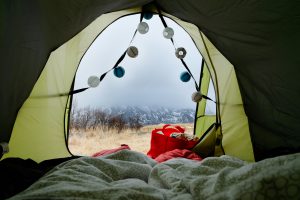
4. Use cookware and bedding from home
Sometimes, there’s no need to buy brand-new camping accessories or equipment when everyday home items will do.
For your camping meals, you can easily bring cookware and cutlery from home and to keep warm at night, usual bedding and blankets will do the trick in the warmer months. It’s always good to pack extra bedding and blankets, as well as warm pyjamas and socks to help keep your body insulated as the temperatures drop off at night time.
5. Plan camping meals
Rather than eating out every night or buying from the campsite shop, cooking your own camping meals is a simple way to help reduce camping costs.
Having a meal plan for the duration of your trip will ensure you have everything you need. Cooking in batches is a great way to keep everyone fed without the hassle.
Cooking on the campsite is also a fantastic way of bringing everyone together and socialising each day. Below, we’ve listed a few easy meal ideas that won’t cost the earth:
- Pasta & Jar Sauce
- Bacon Rolls
- Beans on toast
- Wraps & Sandwiches
- Cheese and crackers
- Foiled jacket potato’s on the fire
- Noodles
- Hot dogs & Salad
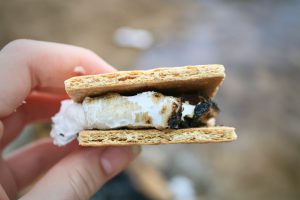
For an extra-special treat, pack some marshmallows for roasting and a few biscuits to make classic s’mores.
6. Budget campsites
It goes without saying, but campsites with fancy facilities are going to be much more expensive than basic campsites.
Choosing a farmer’s field with minimal facilities is a much better option if you’re looking to camp on a budget. Budget campsites can cost as little as £8 per night, while campsites with all the bells and whistles can be around £50 per night, so consider what facilities your feel are essential and what you can do without, if you’re only going on a short trip – then you might not want an electric hook up, but if you’re going for a week or more, then it might be wise to add on a few extras.
7. Camping off-season
Another obvious point, but camping during peak seasons such as the school summer holidays are going to be much more expensive than camping during low season. If you’re looking to go camping with kids, this may be unavoidable, but where possible it’s a good idea to go during less popular periods.
8. Camp close to home
Travelling hours away from home will mean spending more money on petrol or train fares. Choosing a camping destination that is not too far away is an easy way to reduce travel costs.
Picking somewhere that is around an hour away from home is a good opportunity to experience somewhere a bit further afield but reduces the amount you spend on travel, whether that be petrol for the car or public transport fares.
9. Avoid tourist areas
Tourist hotspots are always much more expensive than lesser-known destinations that are off the beaten path.
Do some research to discover what options are available in your chosen area and try to steer clear of the most popular areas if you can. If it means walking or driving a little further to certain attractions, you’ll get to see more of the area!
10. Write a camping checklist
To ensure you have everything you need for your trip, create a camping checklist. You’ll be able to tick off what you have and see if there’s anything outstanding. As a result, you’re less likely to forget anything and have to panic buy items while you’re away.

11. Plan free activities
Camping holidays don’t have to cost the earth, there are plenty of things you can do for free, especially if you’ve got children to entertain.
That concludes our tips for camping on a budget. By following these steps you’ll be able to have a much-needed break without having to spend a fortune.
If you do need to buy yourself some new camping gear, head over to halfords.com. We have everything you need from tents to camping furniture to ensure you’re well-equipped for your adventure.