While sunshine is welcome, bright or low sun can significantly reduce visibility when driving and increase the risk of distraction or accidents. Sun glare can cause visual illusions, make hazards harder to spot, and delay reaction times.
Below are practical driving tips to help reduce glare and stay safe in brighter conditions.
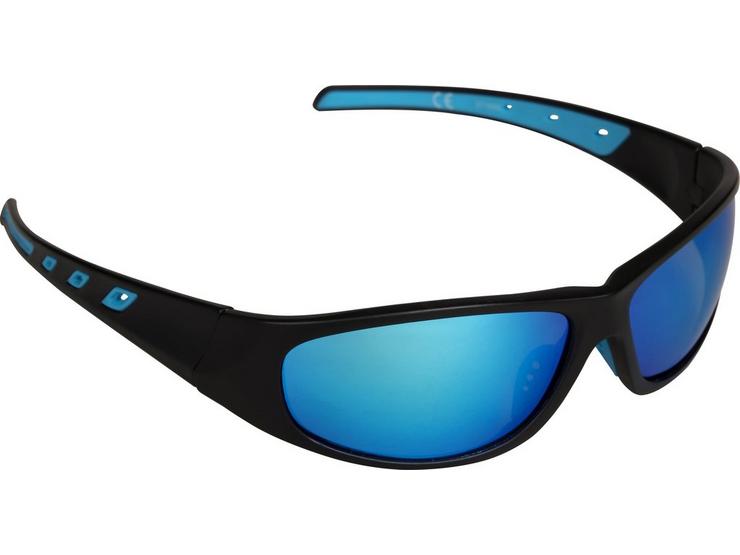
1. Invest in UV-protected, polarised sunglasses
Wearing sunglasses helps your eyes adjust to bright light and reduces sun glare while driving. Choose sunglasses that:
- Carry a CE mark (tested to European safety standards)
- Offer UV protection
- Feature polarised lenses to minimise glare from reflective surfaces such as roads and windscreens
Avoid low-quality sunglasses, as they may not protect your eyes effectively or improve visibility.
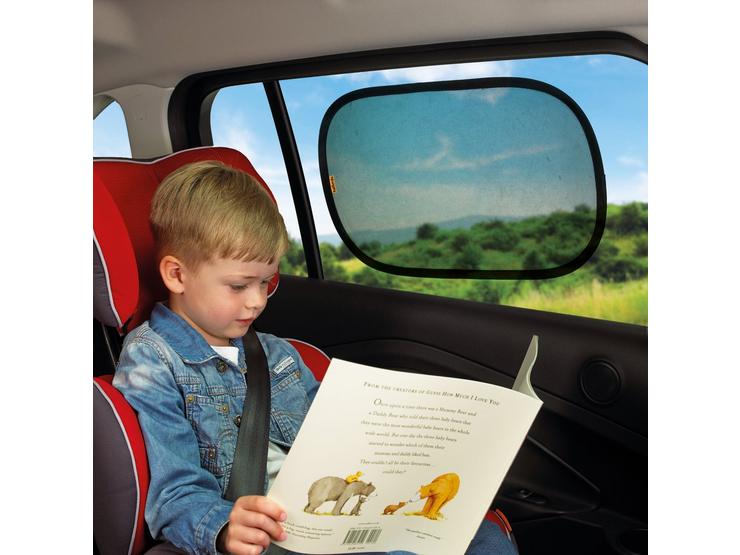
2. Use your sun visor and window sunshades
Your car’s sun visor is designed to block sunlight without obstructing your view of the road. Using it can also help your eyes adapt more easily when moving between bright sunlight and shaded areas.
Many visors can be adjusted to block light from:
- The front windscreen
- Side windows
For passengers, especially children in the back seats, additional window sunshades can reduce glare and heat, improving comfort and visibility inside the vehicle.
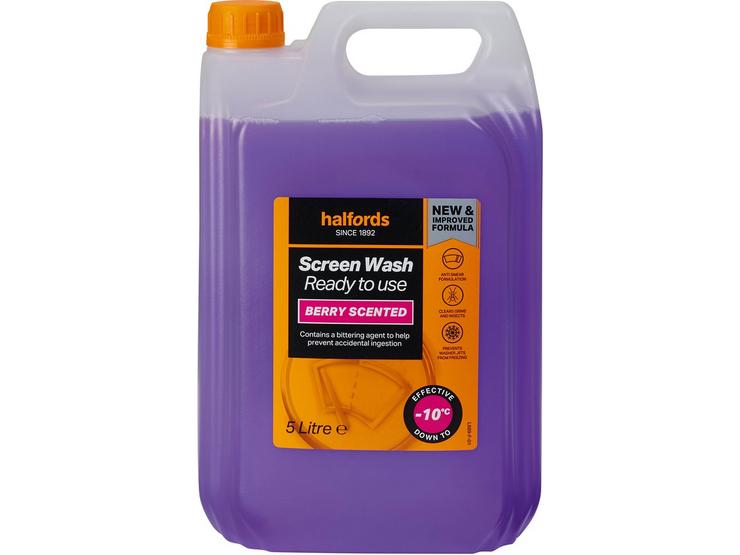
3. Keep your windscreen clean and clear
A dirty windscreen can intensify glare, as dust and grime scatter sunlight. To reduce this effect:
-
- Top up washer fluid regularly
- Clean the inside and outside of your windscreen
- Check wiper blades for wear or streaking
Well-maintained wipers ensure dirt is removed evenly, helping you see more clearly in bright conditions.

4. Consider tinted windows to reduce glare
Window tinting helps reduce excess sunlight, glare, and heat inside your vehicle by reflecting some of the sun’s rays.
Light window tint films are a cost-effective alternative to full tinting and can be fitted quickly while still improving comfort and visibility during bright or low sun.
5. Slow down and increase your following distance
The saying “better safe than sorry” always applies in low sun. In this case, leaving double the room between you and the vehicle in front of you can give you a split-second extra time to adjust to sudden stops or erratic driving from other road users in bright and low sunlight.
Try taking the following steps to avoid being dazzled by the sunlight:
- Reduce your speed
- Increase the distance between you and the vehicle ahead
- Allow extra time to react to sudden stops or unexpected hazards
If visibility becomes too poor to continue driving, pull over safely and wait until the sun is no longer directly in your line of sight.
With these handy tips, you should now be ready for safer driving when it’s sunny. If you’re experiencing the opposite of sunny days as you read this, then make sure to check out our wet weather driving tips article too.