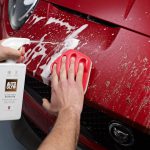
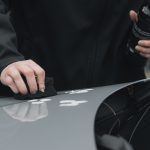
For many of us, there’s not much better than a freshly cleaned car. But to finish off your detail, a layer of car wax can really make all the difference. To wax your car, you’ll need: car wax, a microfibre cloth
In this blog, we’ll walk you through the best tools, techniques, and products for achieving a professional-quality wax.
What does car wax do?
An extra layer of wax or sealant offer multiple benefits:
- It adds some extra shine.
- Protects your newly cleaned paint from dirt and grime.
- Provides longer-lasting gloss.
What’s the best car wax?
The right product for you will depend on your vehicle, and the results you want:
- Spray-on liquid car wax: Quicker to apply but offers less protection.
- Paste car wax: Takes longer but give you more protection.
- Ceramic car wax: Contains SiO2 providing a hydrophobic finish for extra protection.
The Autoglym Ultra High-Definition Wax Kit has everything you need for a flawless finish. With a tub of ultra-definition wax, a dedicated wax applicator, and a microfibre buffing towel, you’ll be able to achieve that showroom-ready shine in no time.
A ceramic wax such as Meguiar’s Hybrid Ceramic Wax or Turtle Wax Hybrid Solutions Ceramic Spray Coating will offer you up to 12 months’ protection while also being quick and easy to apply.
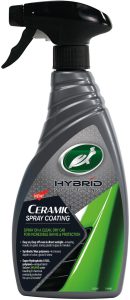
Another thing to look out for is products that contain Carnauba wax. This Brazilian wax is ideal for keen car cleaners and the top choice for gloss, protection, and depth of colour.
Whatever product you choose, the way you apply it will make a big difference to your overall results. Even the best products can be held back by incorrect application, so we’ll explain the best ways to use your chosen wax.
How to apply car wax
You should wax your car as the final step in your clean routine, once you’ve washed and treated the paintwork.
- Use either a microfibre cloth or a dedicated wax applicator to apply your chosen wax, putting the product onto the cloth instead of straight onto your paintwork.
- Start spreading the wax in circular motions with medium pressure, making sure you cover every inch of the bodywork.
- Once you’ve covered the area, leave it for 5-10 minutes, giving the wax time to work.
- When you start to see a dull haze over your paintwork, use a clean microfibre towel and buff in circular motions with medium pressure to remove the excess wax.
- For that extra shine, buff over the body a second time with the clean side of the microfibre towel.
Car waxing tips
For the best results, here are a few extra car waxing tips:
- Don’t use the same microfibre towels for cleaning, polishing, and waxing.
- Use high-quality microfibre towels – investing in quality tools means you’ll notice a big difference.
- Always check the instructions of your chosen wax product – some will need to be applied to a wet car, and some to a dry one. For the best results, follow the manufacturer’s guidance.
- If you’re waxing your whole car, try working in smaller sections. This stops the wax from drying out too much before you have a chance to buff it out.
How often should you wax your car?
We recommend applying car wax around four times a year, to match the changing of the seasons. This ensures that your paintwork will always have a suitable level of protection, without needing to reapply every week.
That’s our guide on getting the best results when waxing your car – if you need some more advice on the other car cleaning stages, you can check out our blog section on car cleaning.
If you want a pristine vehicle, you want Halfords.