Are you challenging yourself to cycle more? If you’re looking to embark on long-distance cycling adventures to keep yourself active and lead a healthier lifestyle, it’s important to ensure you’re sufficiently prepped.
Having the right cycling accessories and completing the necessary training is essential. With that in mind, here are some top pre-pedal prep tips to get the wheels in motion for those big bike rides.
Nail your bike setup
Before anything else, focus on your bike setup. If you’re riding a familiar, older bike, you already know how it handles. But even small changes in your position can feel significant when you’re spending long hours on the bike.
1. Adjust your fit gradually
During training, make as many adjustments as you need to stay comfortable. Pay attention to how your body feels at the end of each ride—discomfort that appears late often signals that a small tweak is needed.
2. Prioritise proper fitting
If you’re buying a new bike for your upcoming ride, an in‑store fitting can make a huge difference. A proper fit takes your measurements, riding style, and intended use into account, ensuring the bike supports you over long distances.
Invest in the best bike tools and accessories
Now you’ve got your bike sorted, and you’re happy with the fit, next up is ensuring you have the right bike tools and accessories.
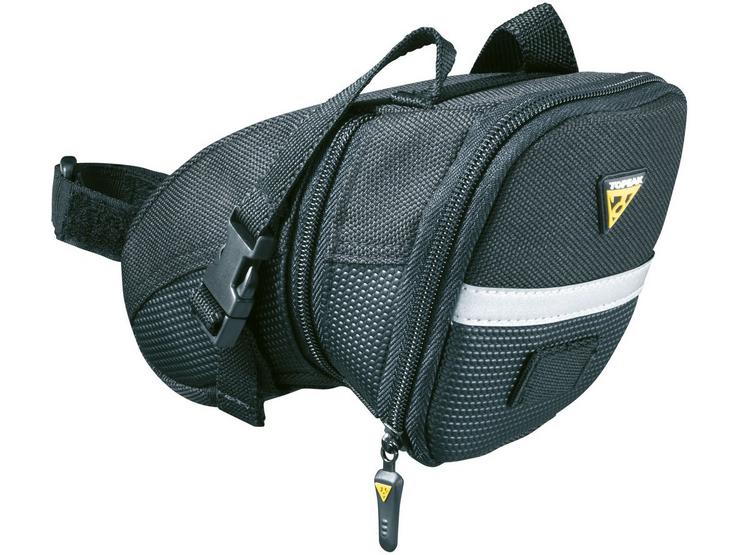
Let’s start with cycle luggage – save the extra weight on your back and go for a saddle bag rather than a rucksack. If you’re savvy, you can get everything you need in there to last the whole duration of your ride. So, here’s a list of things you should take:
- A bottle of water and another electrolyte drink for those quick-fix energy bursts.
- An energy bar
- A couple of energy gels – these are packed with carbohydrates and can quite often get you through those tougher stages of your ride
- A spare inner tube – our top tip is to wrap it in cling film or a sandwich bag and sprinkle it with talcum powder for easy fitting
- A patch kit for any punctures
- Two tyre levers
- A mini tool
Although that seems like a lot to pack, once you’ve bundled it all into your saddle bag, you’re sure to ride happier with peace of mind should you run into any trouble – or if you simply need a little energy boost.
Luggage Carrier
To carry all of your accessories, you’ll need reliable and durable cycling luggage carrier.
We’re glad to introduce the new Topeak line and make cycling, whether on a family holiday or as part of your commute, easier and more accessible.
Topeak Wedge Pack II
Topeak’s Wedge Pack II comes in a new and improved large size so that there’s no more struggling to fit your necessities in. With lightweight, robust 1000 denier fabric and a carrying capacity of 1.25-1.65L, your daily cargo is easy to transport. Plus, the 3m reflective strip and taillight strap maximise visibility, keeping you safe at dusk and night.
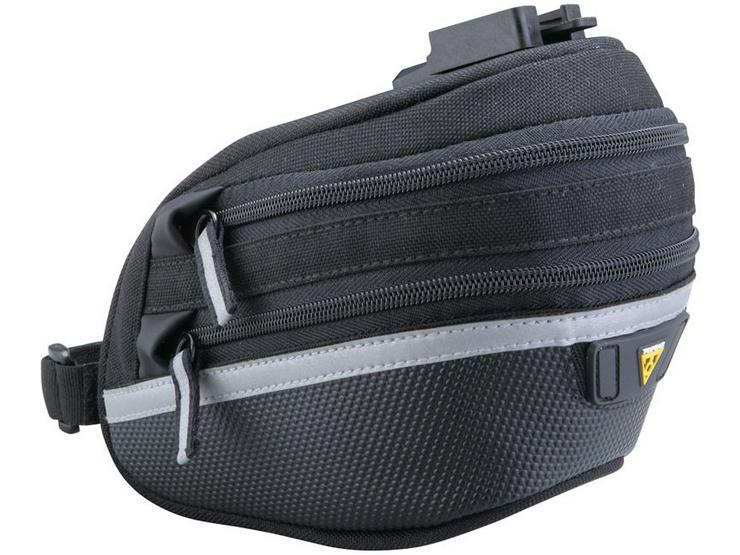
Topeak Aero Wedge Bag
The Topeak Aero Wedge Bag with Strap likewise fits all daily essentials, from keys to bike tools to your smartphone. Offering a robust performance with 1000 denier fabric, plus a built-in pump holder, you can access expanded storage whenever you require it. Your safety is our priority so cycle in the dark with confidence that the 3m Scotchlite reflective strip and taillight strap are keeping your visible.
Topeak Explorer Disc Pannier Rack
Last but never least, the Topeak Explorer Disc Pannier Rack works as a rear rack for bikes with 26″, 27.5″ and 700C wheels with disc brakes. Crafted from strong aluminium, the lightweight design secures smaller items on the top plate so all your necessities can sit in one place. Furthermore, the rear light mount makes attaching lights a breeze, for added safety. It’s also QuickTrack compatible for use alongside any Topeak rear baskets.

Setting cycling goals
The next thing to remember before setting off for long-distance cycling is to set mini, manageable goals. These will act as a focus for your ride and, if you start to lose faith in your abilities, achieving these ‘little wins’ throughout will help to see you to the finish line.
When the weather, the route, and your energy levels are against you, remember how amazing you’ll feel at the end.
Cycling training is key
Training in the most important and most time consuming part of prepping for long-distance cycling. For first‑time riders, it’s common to focus on the fear of physical strain. But the key factor isn’t how tough your training sessions are; it’s how you progressively prepare your body before the event.
1. Build distance gradually
If you’re aiming for a 60‑mile ride, you don’t need to complete multiple 60‑mile training rides. Endurance improves through steady, incremental increases in distance. Overloading yourself with repeated long rides can actually leave you feeling less prepared and exhausted.
2. Train for the terrain
Match your training to the conditions you’ll face. If the route includes hills, incorporate climbs into your rides. Practising on similar terrain helps your body adapt and reduces surprises on the day.
3. Prioritise recovery
Rest is essential. After each training session, take time to recover, refuel, and let your muscles repair. After completing your long‑distance challenge, give yourself several days off before returning to regular riding. Proper recovery supports long‑term performance and reduces injury risk.
Prepping for long-distance cycling can be a gruelling process but if you remain consistent and continue to put in the effort, you’re sure to reach your goal.